Customer rating!


Project summary
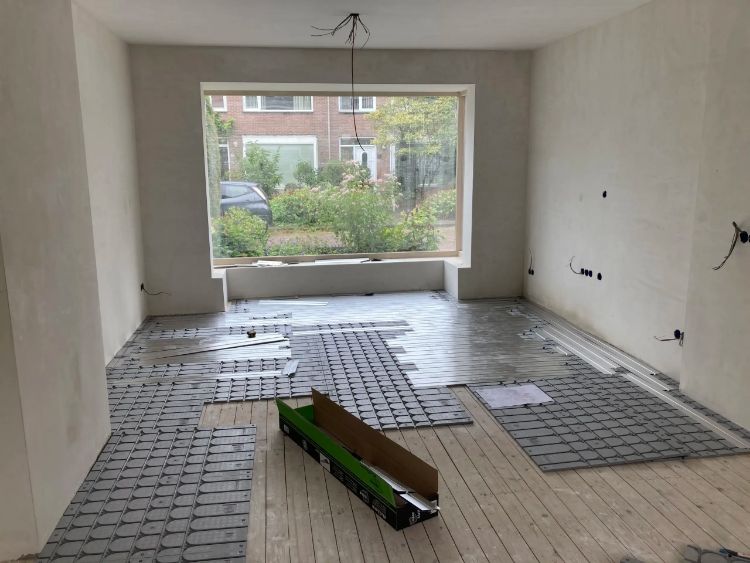
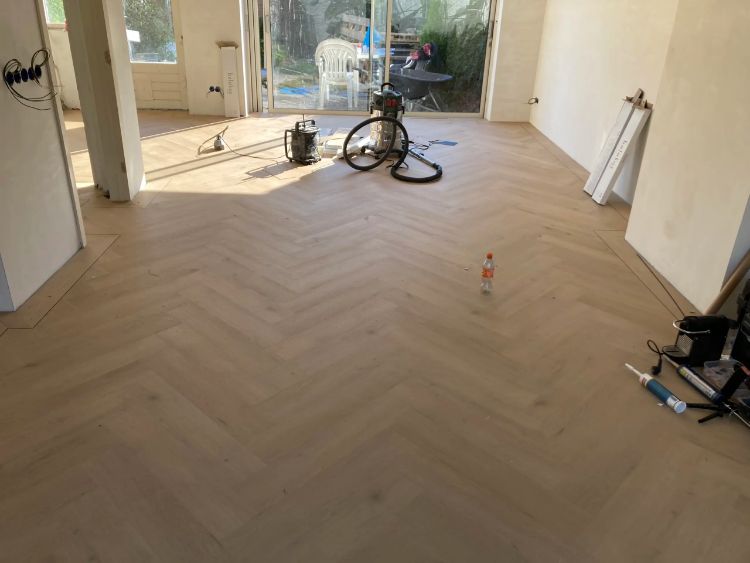
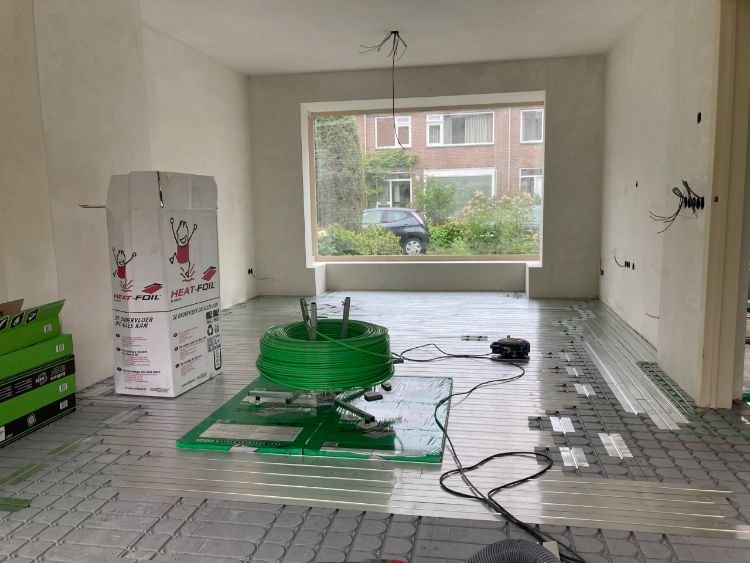
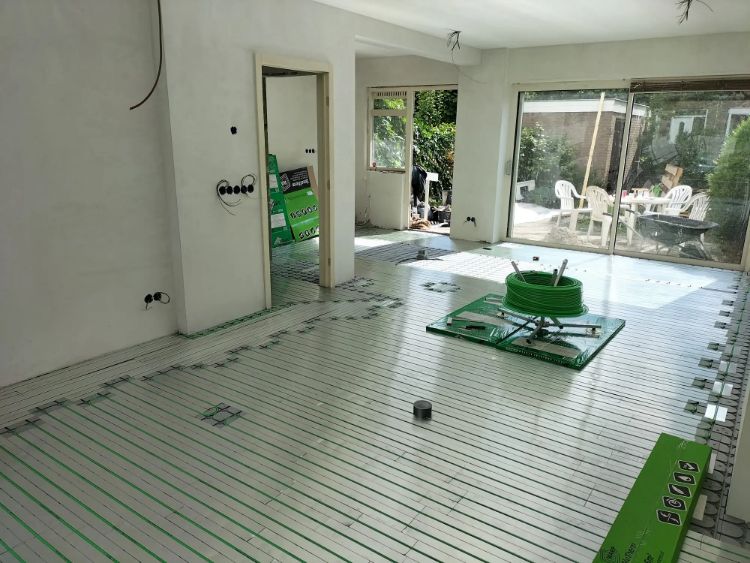
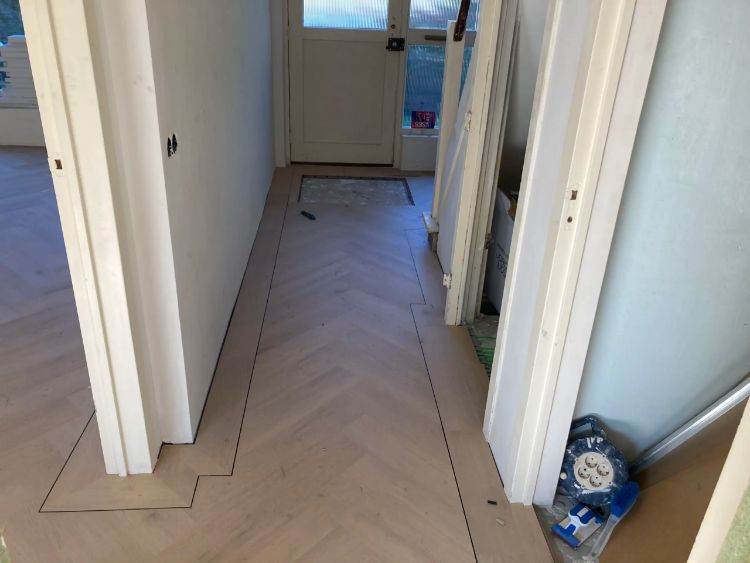
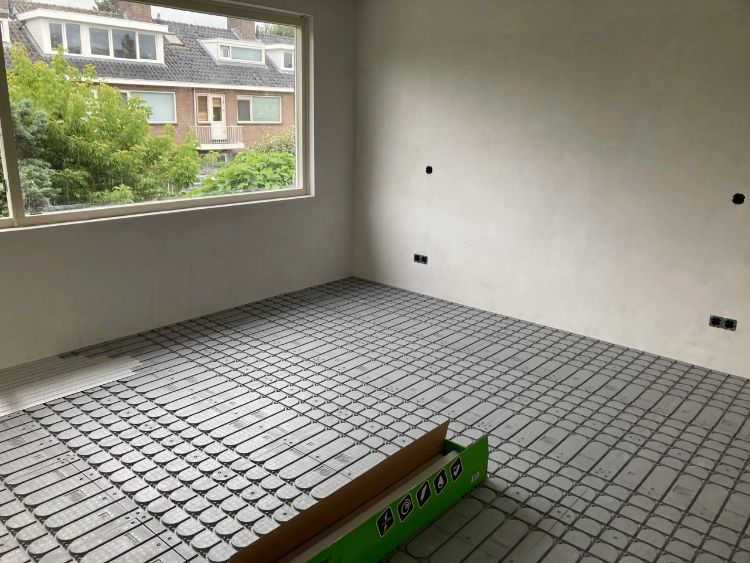
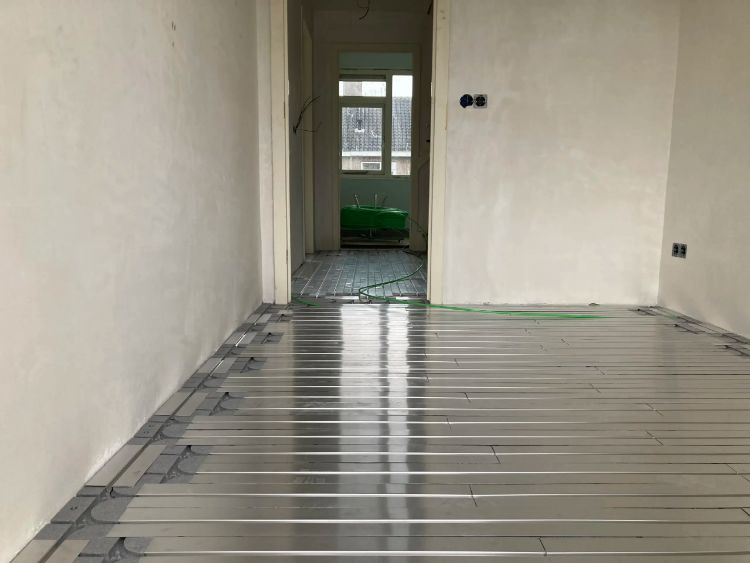
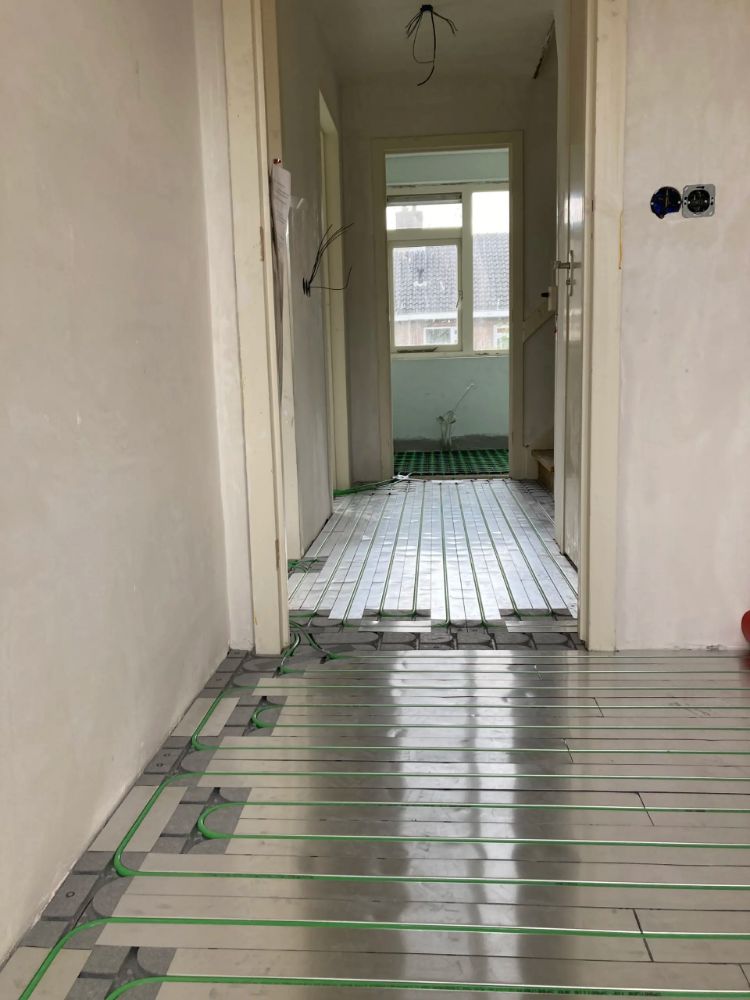
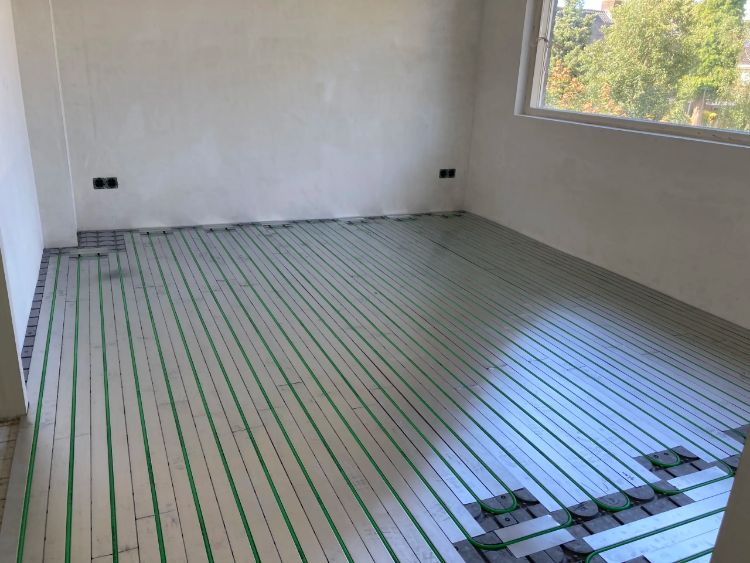
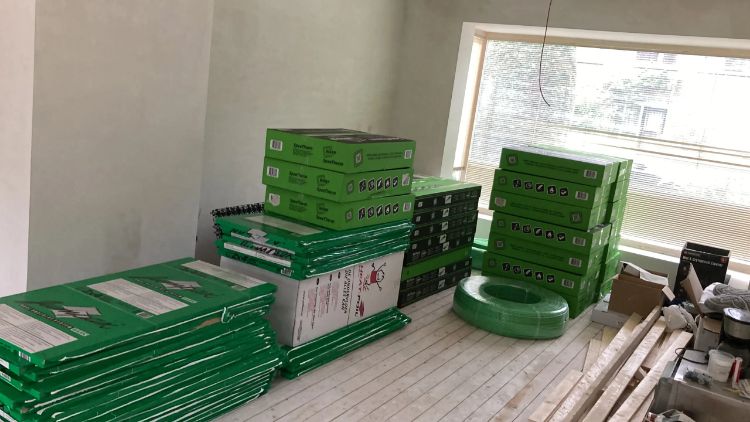
This private customer self-installed 83m² of SpeeTherm15. By using Heat-Foil and Jumpax Basic from Unifloor, they were able to install a final floor finish such as PVC.
In what type of home did you install your heating system?
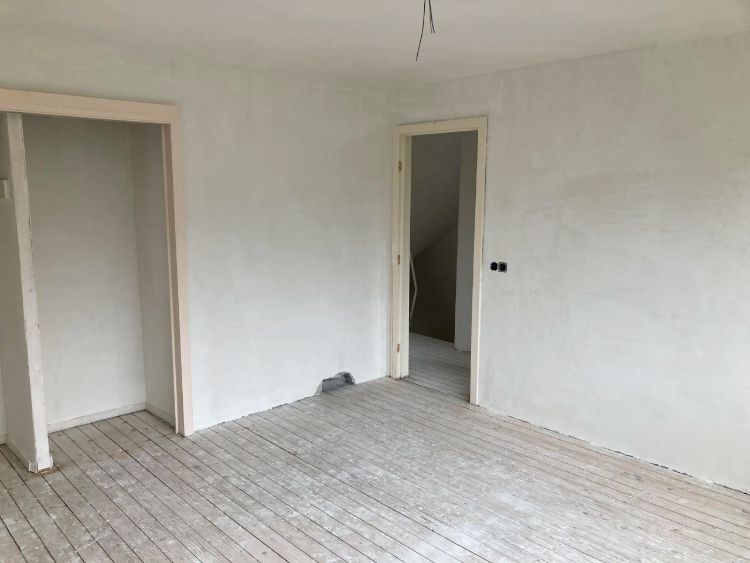
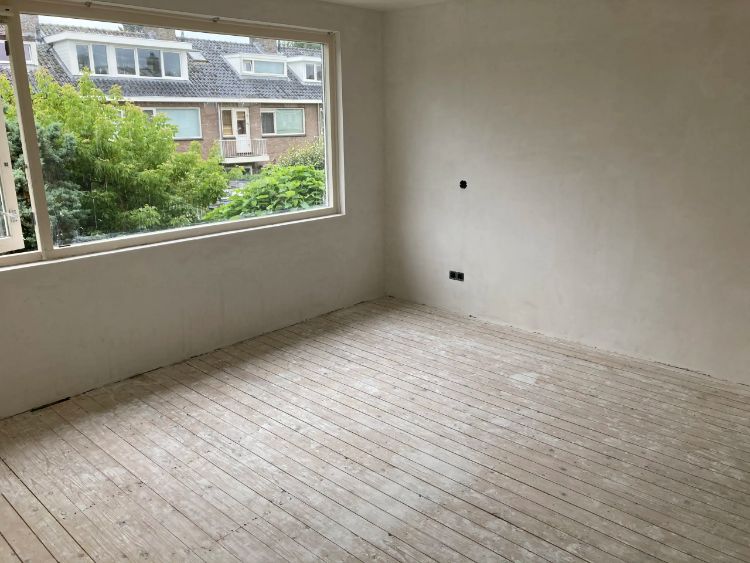
A terraced house built in 1964 with three floors and a total floor area of approximately 130m². The home has wooden floors except for a concrete floor in the hall and kitchen.
How many people are in your household?
Currently three people, and expecting a fourth in October.
How did you come across WARP Systems?
Through acquaintances in Nieuwkoop who had applied the WARP system themselves or were familiar with it.
Why did you choose a low-temperature hydronic heating and cooling system?
Firstly, because the previous central-heating installation with radiators needed replacement.
Secondly, for sustainability: to prepare the house for the possibility of heating with a heat pump in the future. We chose hydronic (rather than electric) so the system can also be used for cooling on warmer days.
Thirdly, to save space and because we prefer the look over radiators and exposed pipes on the wall.
Do you think sustainability is important? Why or why not?
Yes, both from an environmental perspective and for financial reasons, such as lower future heating costs and the home’s value appreciation.
Do you have specific sustainability goals for the future?
Solar panels in the short term and a hybrid heat pump in the mid-term.
What convinced you to choose self-installation?
Saving on installation costs, plus learning from acquaintances’ experiences installing the system. Also, WARP’s website and marketing materials say it’s easy to install yourself, supported by the extensive installation manuals (videos and text + images on the site).
How did you experience the installation overall?
The system was fairly straightforward to install yourself. At first you need extra time and attention to get started, but you quickly understand how the system works and then it goes much faster and easier.
Which aspects were easier than expected?
Laying the EPS panels, and the tubing was very easy.
Which aspects required extra effort?
Primarily laying the aluminum profiles according to the layout plan, especially where the loop returns to the manifold. Installing the levelling screed (Jumpax Basic) took much more time than expected.
Did you use the installation tools and instruction videos? If so, how helpful were they?
Yes, I used the following tools:
• Instruction videos: Watched multiple times and very helpful. The videos on assembling and mounting the manifold could be more detailed, as my manifold type doesn’t match the video and the assembly itself isn’t covered.
• Layout plan: Used as our blueprint. In my view a layout plan is indispensable for a private individual. I noticed it’s crucial to provide accurate room plans and dimensions for the layout plan; some measurements were estimates on delivery and that showed up during installation.
• Pipe cutter: Used a few times (not strictly necessary).
• Cutting shears for profiles: Used often and necessary.
• EPS torch: Used fairly often and necessary.
• Pipe reel: Initially not used for the first smaller coil because it was easy to lift—but the coil still kinks. For the larger, heavier coil I used the reel and noticed it removed almost all kinks. In hindsight I should’ve used the reel even for the smaller coil.