Customer rating!

Project summary
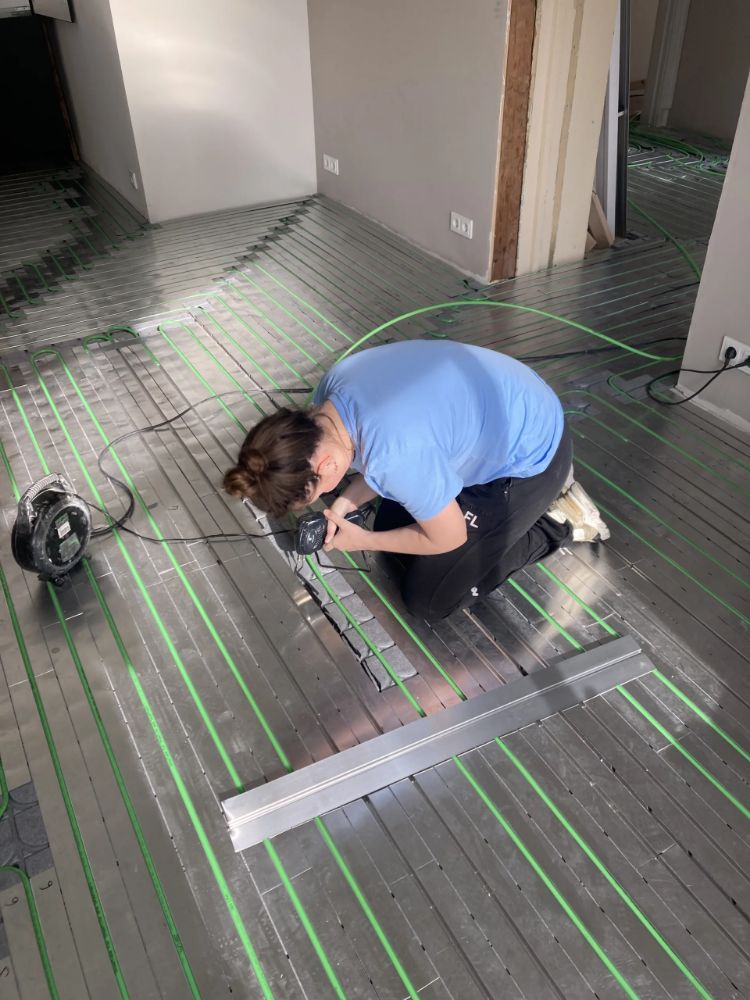
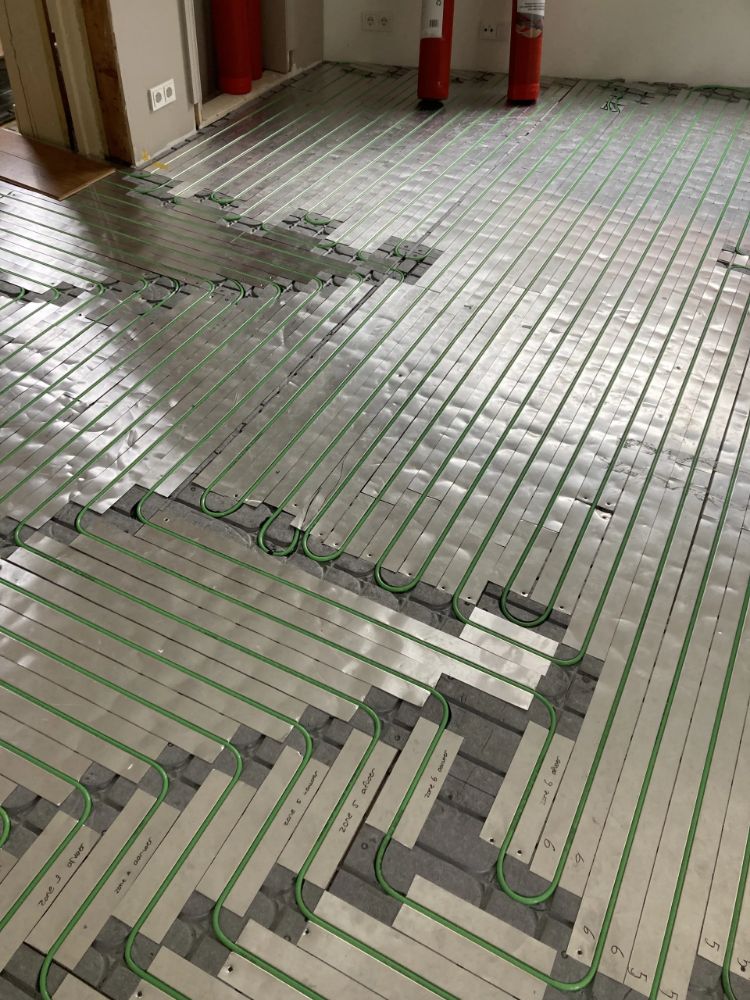
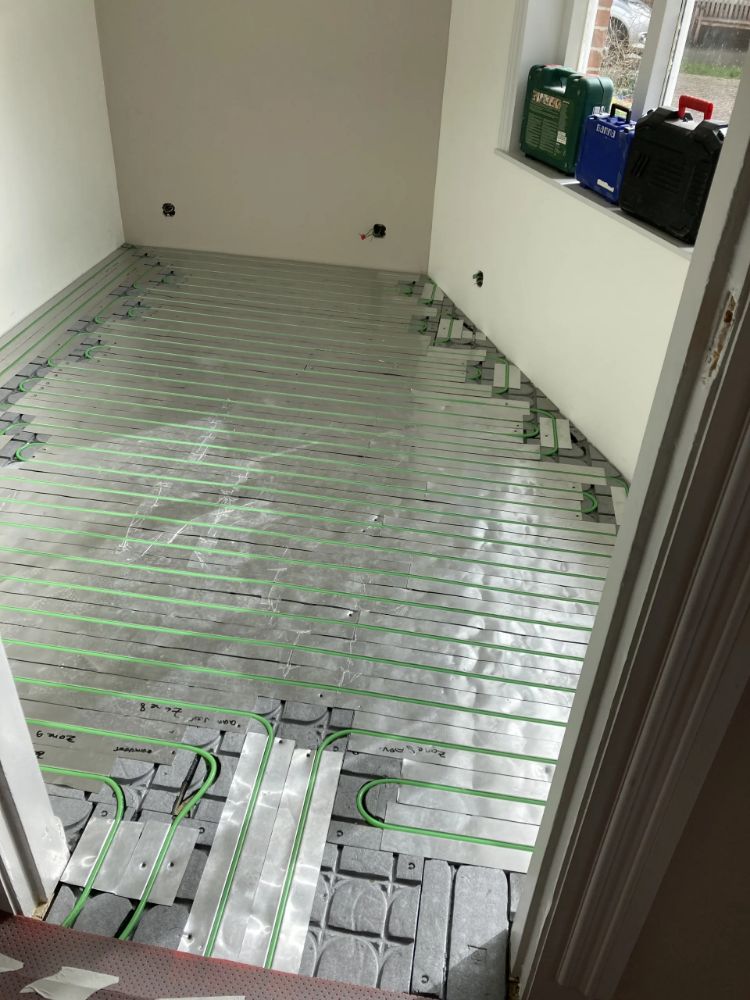
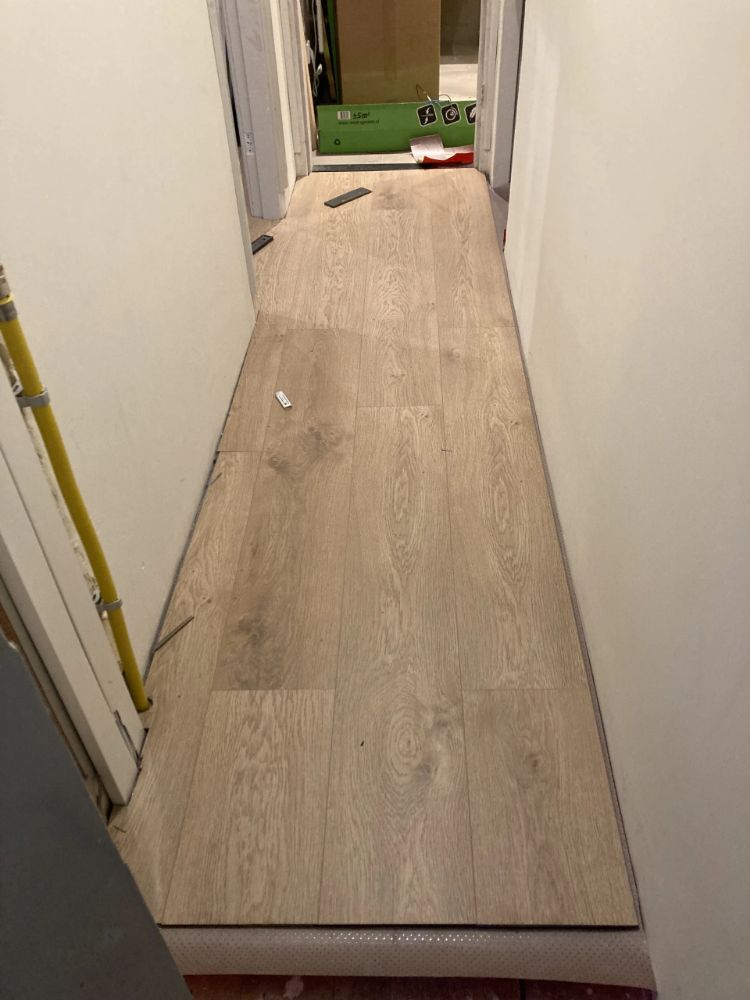
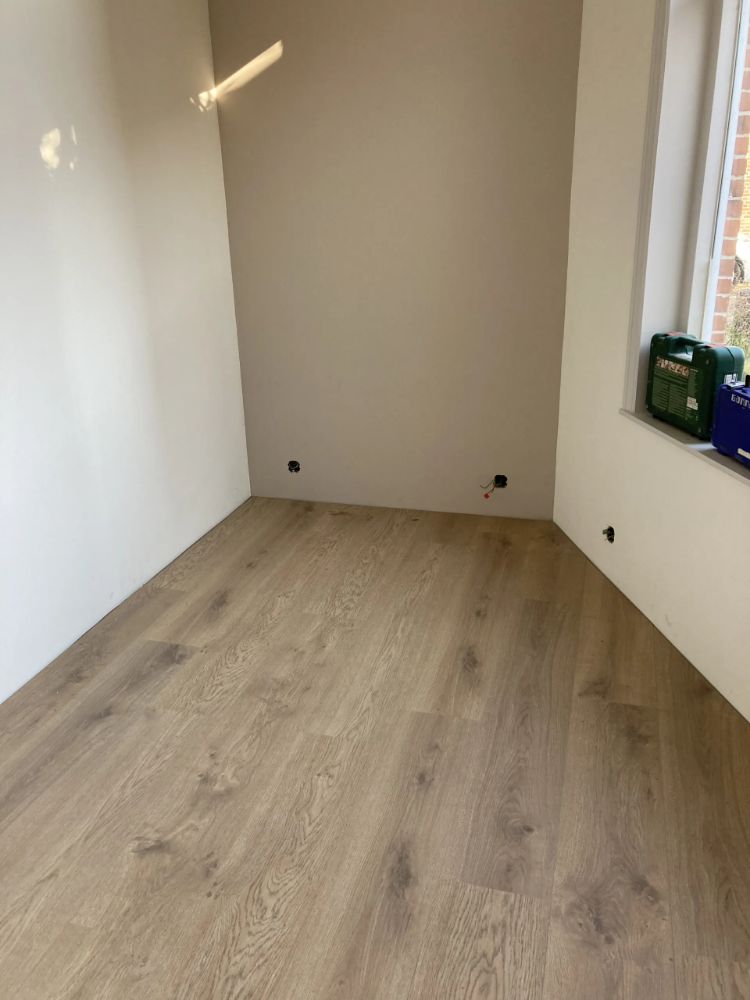
This private homeowner self-installed SpeeTherm15 on the ground floor and finished it with laminate flooring.
In what type of home did you install your heating system?
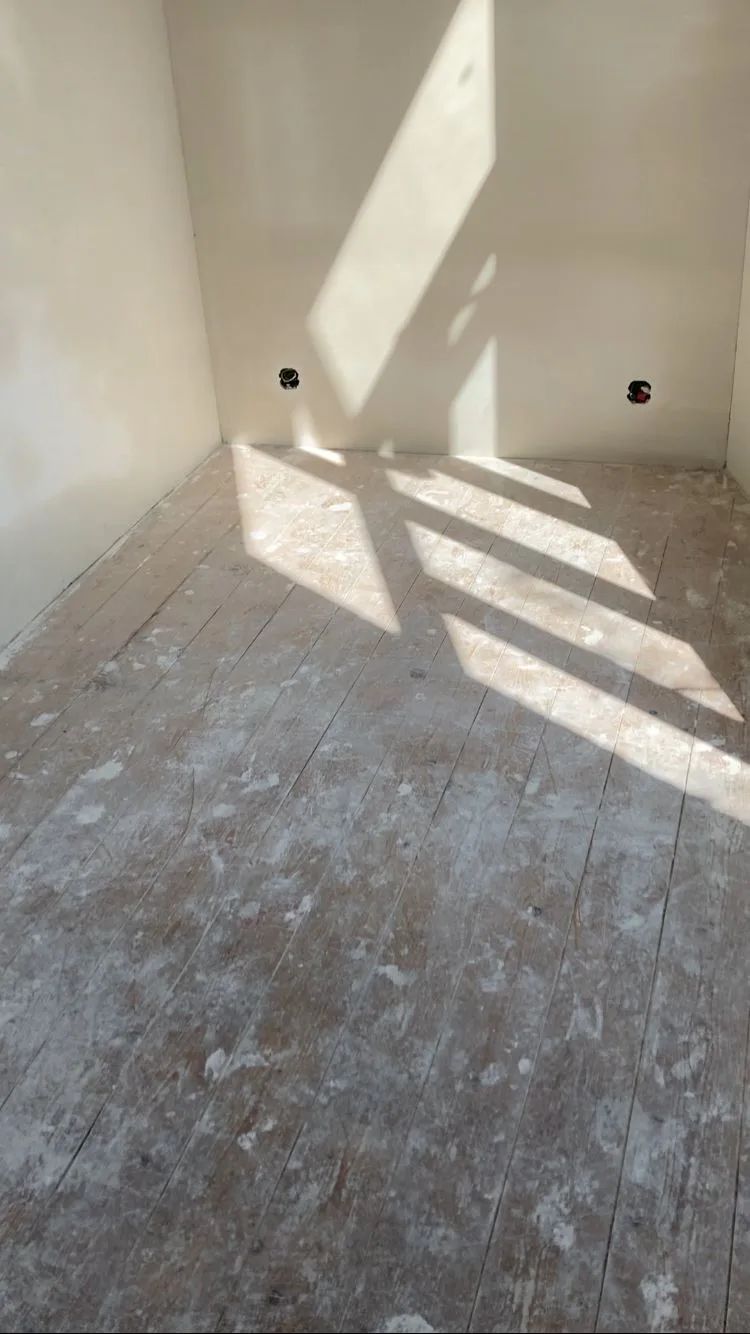
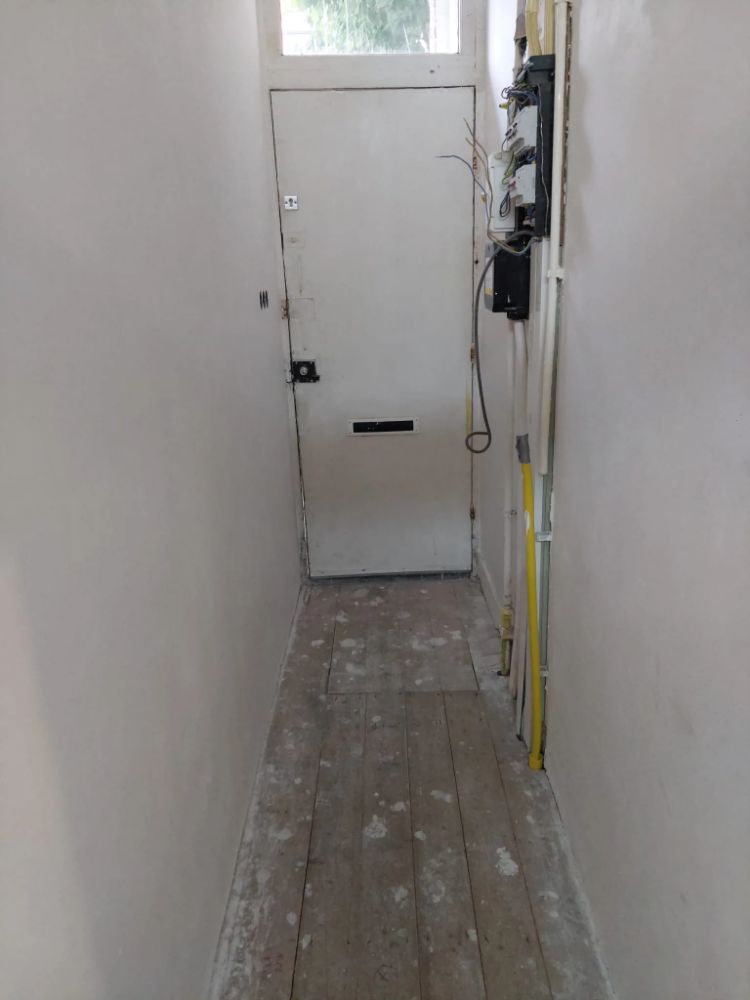
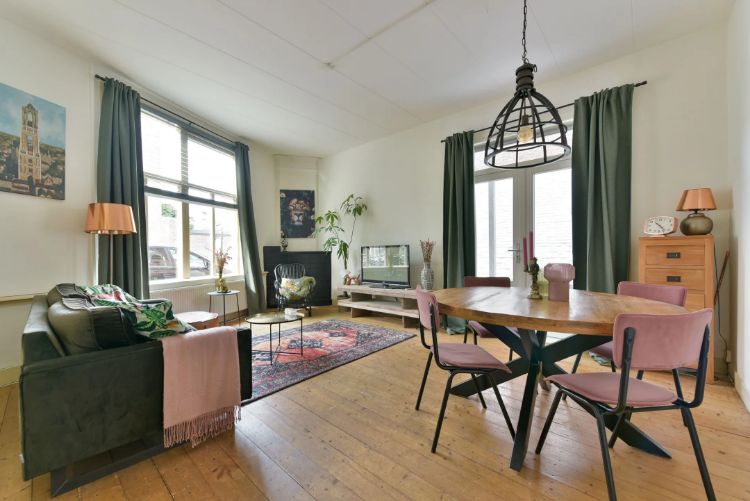
A 1906 ground-floor flat in Lombok, Utrecht. It’s a corner unit of 58 m² with a living room and two bedrooms.
How many people are in your household?
One! I fell in love with the character of the house without knowing how extensive the renovation would be. Inspired by “I’ve never done this before so I think I can” I started stripping the house with my father on 1 February 2023. Despite never having held a drill before, a whole new world opened for me.
How did you come across WARP Systems?
My cousin began renovating his Utrecht home years ago and wanted to preserve the original subfloor while adding underfloor heating. After seeing his installation photos and the finished result, I was amazed at the speed and ease of the system and how much he benefits from it daily. A quick look at your website sealed the decision.
Do you think sustainability is important? Why or why not?
Since buying my house in February 2023 I’ve focused on sustainability. Upgrading from an E energy label was a smart starting point. The more time and care you invest in renovating your home the more vital sustainability becomes. You want lasting enjoyment of your home. I insulated walls and ceilings replaced windows and removed asbestos. Installing WARP underfloor heating was the final and most enjoyable step in making my 1906 home both warm and sustainable.
Why did you choose a low-temperature hydronic heating and cooling system?
The house was heated by outdated wall radiators that took up space and were hidden behind sloping walls. My agent suggested removing them and installing underfloor heating but breaking out the old floor concrete embedding the new pipes and the weight on my old foundation made that impossible. After learning about WARP from my cousin and reviewing the system with my dad it felt like the perfect solution.
Do you have specific sustainability goals for the future?
I have already taken significant steps to make my home more sustainable. When redoing the kitchen we made sure it can operate without gas in the future, although I still have a boiler at the moment. A nice small heat pump could be added later to further improve my home’s sustainability.
What convinced you to choose self-installation?
My cousin and my father were the first to be enthusiastic. With my minimal DIY experience, I saw laying my own underfloor heating as a significant challenge but also as an achievement to complete it myself (with my father). Since we had already done much of the renovation together, my father had full confidence in your system, and I looked forward to warm feet in winter, I was convinced to choose WARP with self-installation. An added bonus was that we could continue the renovation immediately after laying the system!
How did you experience the installation overall?
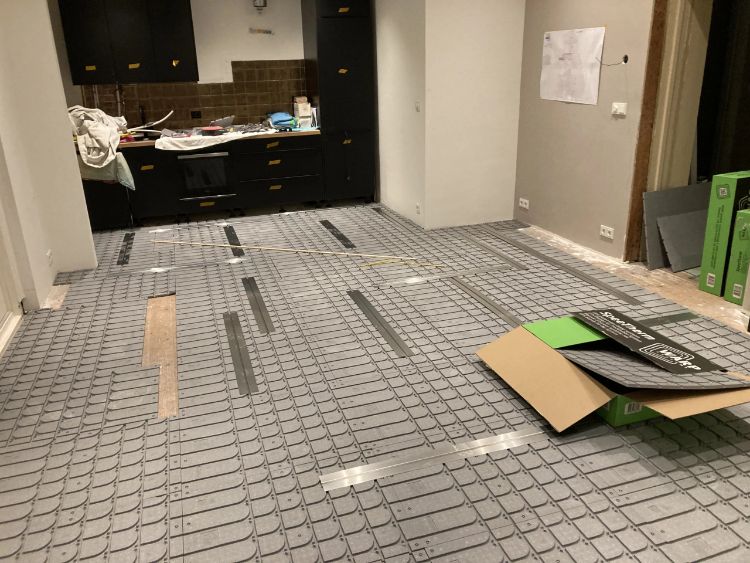
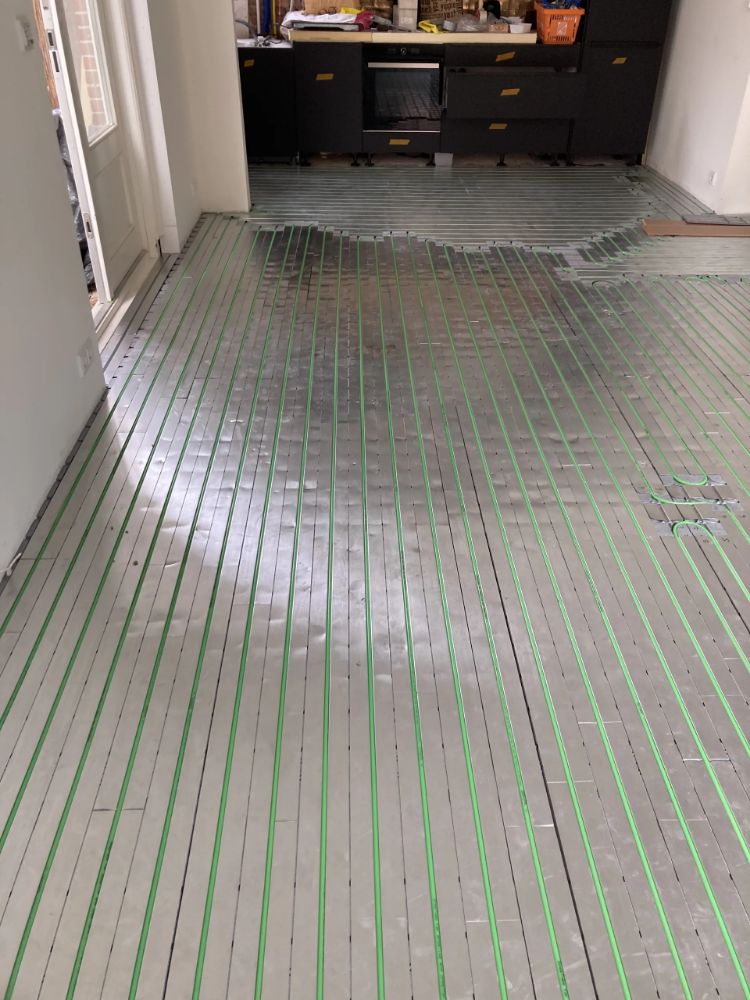
When the WARP materials arrived, my father and I were eager to begin. We didn’t quite manage to install everything “in one day by ourselves.” Our old home with many uneven walls posed occasional challenges. Because we prefer to do a job well rather than quickly, we took a bit more time installing the WARP system. As with many aspects of this renovation, once we understood each phase it became enjoyable. Learning to lay the SpeeTherm panels, torch the panels, place and cut the AluTherm profiles and roll out and position the SpeeTube took some time, but we eventually mastered each step and became faster. The system is brilliantly designed. The minimal components needed to install high-quality underfloor heating in any room pleasantly surprised us. The supplied tools were very handy to use and the mess was minimal. We also appreciated being able to return unused materials.
Which aspects were easier than expected?
The amount of material required to install underfloor heating throughout my entire home was pleasantly surprising. The SpeeTherm panels are easy to cut to size, the AluTherm profiles are simple to use and the SpeeTube is very flexible without kinking (which we had feared). In addition the SpeeTube clicks effortlessly into the profiles. Thanks in part to the pipe reel, the tubing never became tangled and connecting it to the manifold was straightforward.
Which aspects required extra effort?
The layout plan provided by WARP wasn’t entirely accurate. We submitted our Funda drawing but didn’t account for the extra 10 cm added by insulation and replastering, so we had to come up with creative solutions in some spots.
It’s helpful to work from a large-format drawing so you can clearly follow where to place the AluTherm profiles and SpeeTube. Early on, my father and I realised our spatial awareness isn’t the best, so it was hard to visualise exactly how the tubing would run. To avoid having to reroll the SpeeTube, we used leftover tubing pieces to mock up each bend first. This allowed us to confirm the circuit routes and made the final rollout of the SpeeTube much easier.
Did you use the installation tools and instruction videos? If so, how helpful were they?
While installing the WARP system, we mainly used the layout drawing. In addition, we saved the manual a few times as a reference. It was helpful to have a support line—from both my cousin and your team.